Sunday, May 11, 2025
PCI DSS v4.0.1: Anti-Phishing Requirement Now Enforced (Nov 2025 Update)
Posted by
Compliance Expert
@compliance-expert
PCI Specialist
@pci-specialist
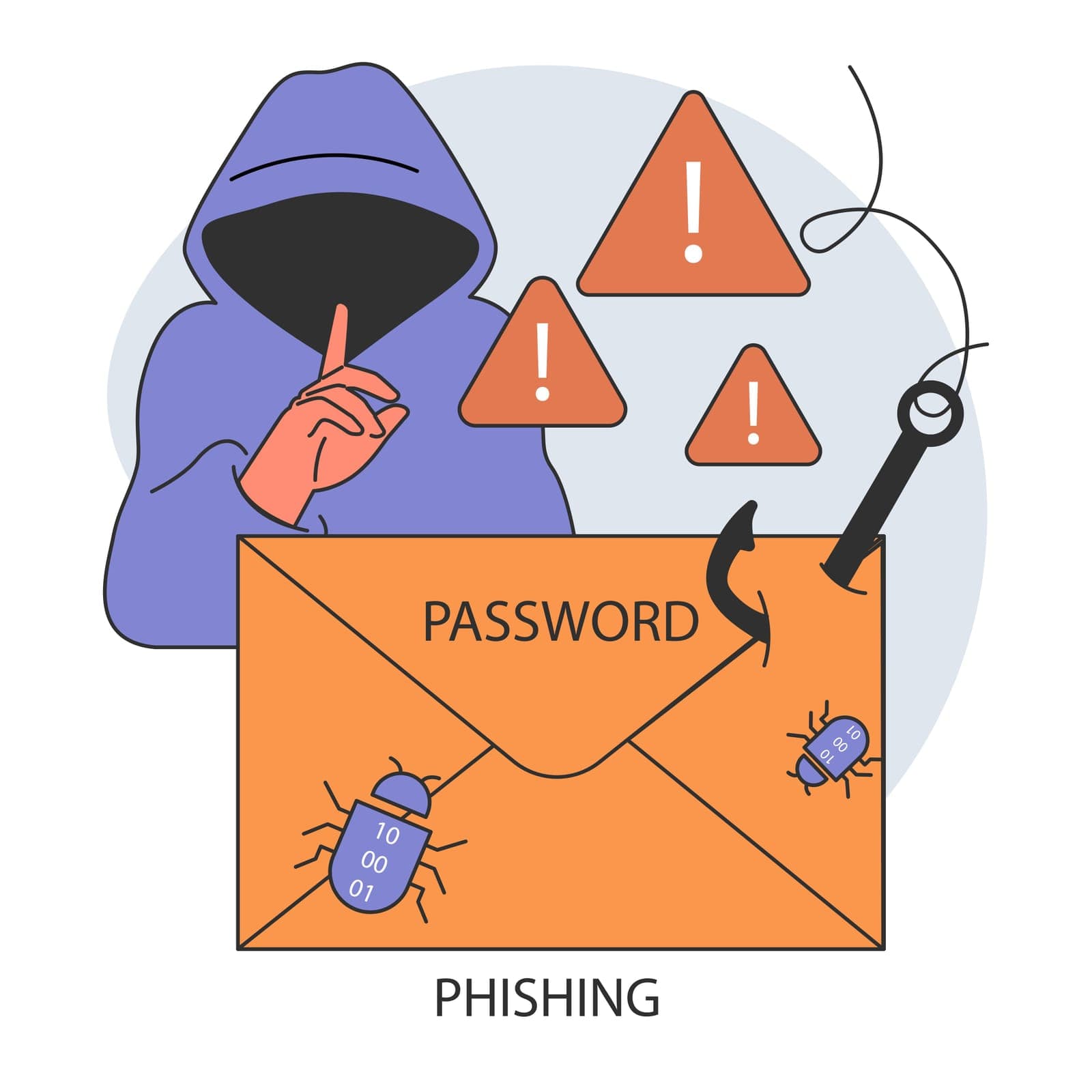
import Image from "next/image"; import Link from "next/link";
was the enforcement date for PCI DSS v4.0.1 Requirement 5.4.1. Anti-phishing controls are no longer “coming soon”. They are mandatory and fully in scope for assessments. If you are still catching up in November 2025, auditors will expect evidence of working controls and monitored telemetry, not just project plans.
Understanding the New PCI DSS v4.0.1 Anti-Phishing Requirements
Payment processors, merchants, and service providers must now implement robust email authentication protocols (SPF, DKIM, DMARC) to protect cardholder data. This update reflects the critical role of email security in overall payment security compliance.
This update comes as recognition of phishing's role as one of the leading vectors for payment data breaches and reflects the growing sophistication of social engineering attacks targeting payment processors and merchants. For practical detection tips, see the phishing identification guide and the QR code phishing scenario primer. For context: PCI DSS 4.0 launched in 2022 with phased dates; 5.4.1 moved from best practice to fully required on March 31, 2025.
What Exactly is Changing?
The key change is found in Requirement 5.4.1, which states:
"Processes and automated mechanisms are in place to detect and protect personnel against phishing attacks. […} This requirement is a best practice until 31 March 2025, after which it will be required and must be fully considered during a PCI DSS assessment."
Payment Card Industry Data Security Standard: Requirements and Testing Procedures, v4.0.1
Importantly, the PCI SSC has clarified that security awareness training alone is no longer sufficient to satisfy this requirement. Organizations must implement technical controls to prevent phishing attacks from reaching their employees and systems in the first place.
Who Will Be Impacted?
This requirement will affect any entity that stores, processes, or transmits cardholder data, spanning industries from finance and healthcare to retail and hospitality. However, the specific implementation requirements vary based on:
Transaction Volume: Your PCI compliance level (1-4) is determined by annual transaction count:
- Level 1: Over 6 million transactions annually
- Level 2: 1 to 6 million transactions annually
- Level 3: 20,000 to 1 million transactions annually
- Level 4: Fewer than 20,000 transactions annually
Business Type: Requirement 5.4.1 appears in these Self-Assessment Questionnaires:
- SAQ A-EP
- SAQ C
- SAQ D Merchant (see the PCI compliance overview for level and SAQ scope refreshers)
- SAQ D Service Provider
Required Email Authentication Protocols
To meet Requirement 5.4.1, PCI DSS auditors will specifically look for implementation of these email authentication protocols:
1. Sender Policy Framework (SPF)
SPF verifies whether a mail server is authorized to send email on behalf of your domain by checking the sending server's IP address against a published list of approved sending servers. If you need a practical walkthrough, the email authentication guide includes example records and validation steps.
Key Implementation Challenges:
- Complex configuration in multi-vendor environments
- Maintenance challenges as email infrastructure changes
- Risk of creating overly permissive policies that diminish security benefits
2. DomainKeys Identified Mail (DKIM)
DKIM adds a cryptographic signature to outgoing emails, allowing receiving mail servers to verify the message hasn't been altered in transit. The email authentication guide covers key generation, selector strategy, and rotation cadence auditors expect.
Key Implementation Challenges:
- Requires generation and management of cryptographic keys
- More complex configuration than SPF
- Needs periodic key rotation for ongoing security
3. Domain-based Message Authentication, Reporting & Conformance (DMARC)
DMARC builds upon SPF and DKIM by specifying what action to take when an email fails authentication and providing reporting mechanisms.
DMARC Policies:
- p=none: Monitor only; no enforcement action
- p=quarantine: Suspicious emails are marked or sent to spam
- p=reject: Failed emails are blocked entirely (strongest protection)
Why This Matters for Security
These protocols work together to create a comprehensive defense against email-based attacks:
- SPF prevents attackers from spoofing your domain in the "mail from" address
- DKIM ensures email content hasn't been tampered with
- DMARC ties everything together with enforcement policies and provides visibility into authentication results
For PCI DSS compliance, implementing these protocols helps prevent attacks that could lead to payment card data breaches, including:
- Business email compromise (BEC) scams
- Spear-phishing targeting employees with access to financial systems
- Malware delivery through spoofed emails
Implementation Challenges to Anticipate
Deploying these email authentication protocols is not trivial and comes with several challenges:
Technical Complexity
- Infrastructure Mapping: Identifying all legitimate email senders across your organization
- Multiple Domains: Managing authentication across primary domains, subdomains, and vanity domains
- Third-Party Senders: Ensuring marketing platforms, CRMs, and other services are properly authenticated
Organizational Hurdles
- Cross-Department Coordination: Requires input from IT, marketing, and other teams
- Resource Allocation: Significant time investment for proper implementation
- Budget Approval: Securing funds for implementation tools or consulting
Implementation Timeline
- If you are behind: Plan a 90-day sprint to reach p=reject on primary domains by year-end 2025
- Monitoring Phase: Keep p=none only long enough to fix legitimate senders; this should be weeks, not months
- Gradual Enforcement: Progress domain-by-domain from monitoring to quarantine to reject, prioritizing production domains first
Your Action Plan for Compliance
With enforcement already live, focus on closing evidence gaps quickly. Here's a condensed action plan:
1. Assessment (Months 1-2)
- Inventory all domains and subdomains
- Identify all legitimate email sending sources
- Document current email authentication status
- Determine compliance scope based on PCI level
2. Implementation (Months 3-6)
- Configure SPF records for all domains
- Set up DKIM signing for all outgoing mail
- Implement initial DMARC policy in monitoring mode (p=none)
- Begin collecting and analyzing DMARC reports
3. Enforcement (Months 7-12)
- Resolve any legitimate authentication failures
- Gradually increase DMARC enforcement:
- Move to p=quarantine for low-risk domains
- Progress to p=reject as confidence increases
- Document your implementation for compliance evidence
4. Ongoing Management
- Monitor DMARC reports for unauthorized senders
- Adjust policies as email infrastructure changes
- Periodically rotate DKIM keys
- Review and update SPF records as needed
- Keep phishing awareness content current. Reuse material from the phishing awareness guide and align with overall controls in the PCI DSS 12-requirement primer
Conclusion: Act Now to Ensure Compliance
By closing gaps now, you can:
- Avoid failed assessments and compensating controls in your next ROC/SAQ. See the PCI compliance resources guide if you need templates and evidence examples
- Bake in continuous monitoring instead of emergency clean-up
- Minimize business disruption during remediation
- Strengthen your overall security posture against phishing
Beyond compliance, these measures provide tangible security benefits by preventing attackers from abusing your domains for phishing campaigns. The investment in these protocols protects not just your organization but your customers and partners as well.
For more information on protecting against phishing attacks, check out our comprehensive guide: How to Recognize and Avoid Phishing Attacks.
Related Posts
12 Essential PCI DSS Practices to Protect Your Card Data
Learn the 12 critical PCI DSS compliance practices that every business handling payment card data must implement to secure their payment environment, prevent data breaches, and maintain customer trust.
Approved Scanning Vendors (ASVs): Requirements, Whitelisting, and Finding the Right Provider
Learn about PCI DSS requirements for quarterly ASV scans, how to determine scan scope, the importance of whitelisting scanning IPs, and how to select the right Approved Scanning Vendor for your organization.
Do You Need a PCI DSS Audit? Here's How to Determine If and When
Learn whether your business requires a formal PCI DSS audit based on merchant level, transaction volume, and other key factors that determine your compliance requirements.